
The evolution of gambling tracing its historical roots and transformations
Ancient Beginnings of Gambling
The history of gambling stretches back thousands of years, with its roots firmly embedded in ancient civilizations. Archaeological findings suggest that as early as 3000 BC, Chinese citizens were engaged in games of chance, using rudimentary forms of dice. These early activities laid the groundwork for a cultural acceptance of gambling, serving both recreational and social purposes. As players seek new avenues, exploring options like a non gamstop uk casino has become increasingly popular.
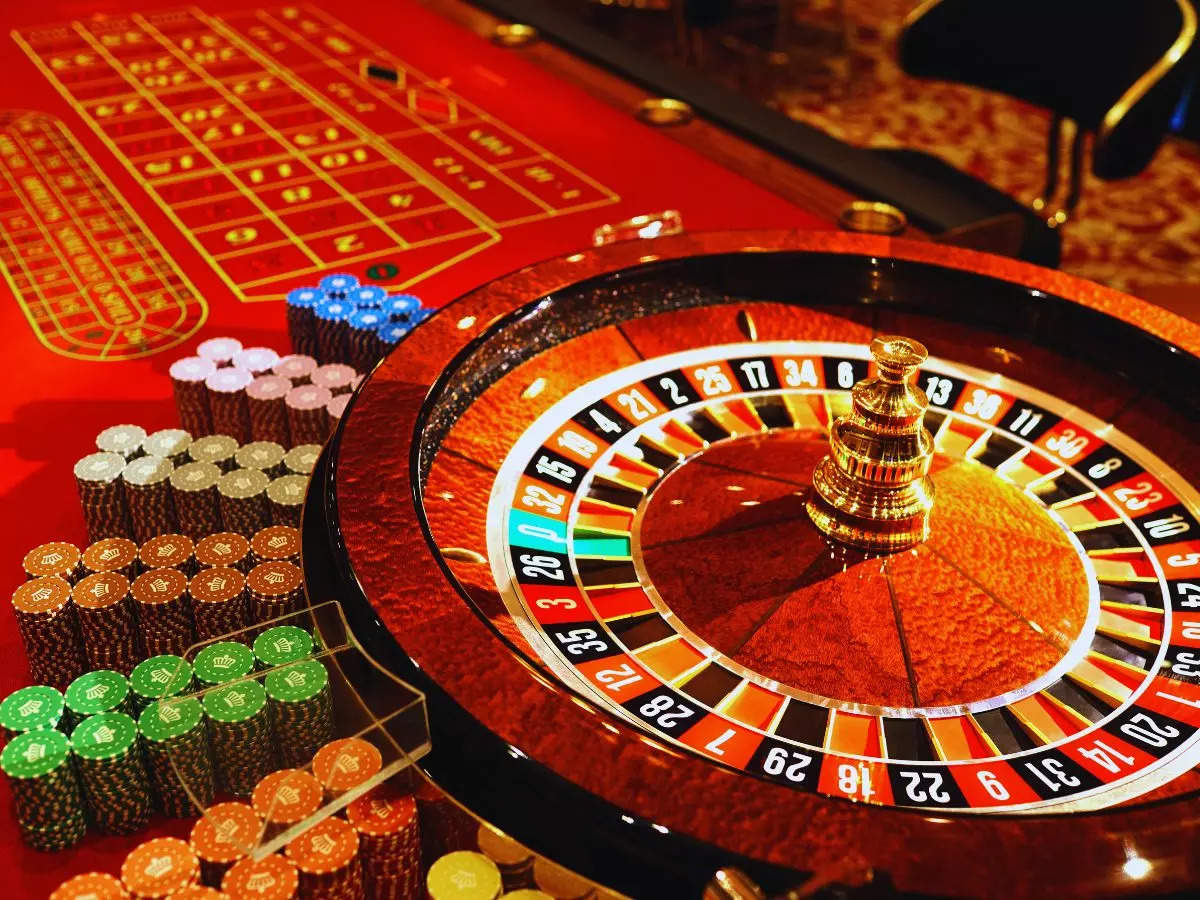
In addition to China, ancient Rome and Greece also embraced gambling. Romans enjoyed betting on chariot races and gladiatorial contests, while the Greeks held dice games at their festivals. This integration of gambling into societal events reflects how these activities were not merely pastimes but crucial components of social interaction and entertainment.
The Middle Ages and the Rise of Gaming Houses
As the world transitioned into the Middle Ages, gambling evolved in tandem with social structures. The establishment of gaming houses marked a significant transformation during this period. Initially, these venues catered to the elite, offering various games, including card games and dice. However, as time progressed, they became accessible to the wider public, symbolizing a shift towards more inclusive gaming experiences.
Moreover, this era saw the advent of gambling regulations. Authorities recognized the need to control and monitor gambling activities, leading to the implementation of rules to curb cheating and ensure fair play. This increased structure around gambling set the stage for its acceptance as a legitimate form of entertainment, paving the way for future developments.
The Birth of Modern Casinos
The 17th century heralded the birth of the modern casino. The first official casino, known as the Ridotto, opened in Venice in 1638. This establishment featured a variety of games and offered a regulated environment, enhancing the legitimacy of gambling. The concept quickly spread across Europe, leading to the proliferation of casinos in cities like Paris and Monte Carlo.
Modern casinos not only provided a venue for gambling but also incorporated luxury and entertainment, transforming them into lavish destinations. This evolution reflected societal changes, with an increasing number of people viewing gambling as an enjoyable leisure activity rather than a mere vice. The fusion of gambling with hospitality marked a turning point in the industry, attracting a diverse clientele.
The Digital Revolution in Gambling
The late 20th century witnessed a seismic shift in gambling due to advancements in technology. The emergence of the internet revolutionized the industry, allowing for online casinos to flourish. Players could now access their favorite games from the comfort of their homes, broadening the reach of gambling activities across the globe.
This digital transformation also introduced innovative gaming options, such as live dealer games and mobile gambling applications. The convenience and accessibility of online platforms appealed to a wider audience, fostering a new generation of gamblers. As a result, traditional casinos began to adapt, incorporating online elements into their offerings to remain competitive in a rapidly evolving market.

Contemporary Gambling and the Future
Today, gambling continues to evolve, driven by technological advancements and changing societal attitudes. Regulatory frameworks are adapting to include online gambling, ensuring player protection while promoting responsible gaming practices. The rise of non-GamStop casinos, for example, reflects a growing demand for flexible gambling options that cater to diverse preferences.
The future of gambling looks promising, with ongoing innovations such as virtual reality gaming and blockchain technology poised to reshape the landscape. These developments not only enhance the gaming experience but also address concerns regarding fairness and transparency. As the industry continues to adapt and grow, it remains a captivating subject for both enthusiasts and historians alike.